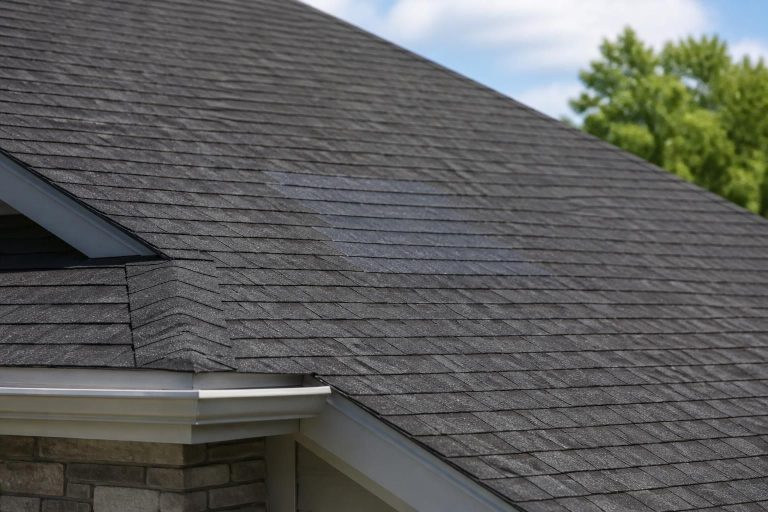
If your shingle installs are slowing crews down, creating callbacks, or leaving gaps in consistency, the problem usually shows up fast. A missed step at the deck, a sloppy starter course, or uneven nail placement can turn a routine roof into a headache for everyone involved.
Roofing Skool gives roofing business owners and crews a clearer path through shingle installation training, with practical guidance they can use on the roof right away. If you want cleaner installs, fewer mistakes, and a crew that understands the why behind each step, we help you turn scattered knowledge into a repeatable process.
What this training covers
Shingle installation is more than laying materials across a roof. It is a sequence of decisions, movements, and checks that affect appearance, durability, and how confidently a crew works together. Roofing Skool focuses on the parts of the process that matter most on real jobs, not just the version you read about on a wrapper or hear secondhand from a foreman.
Our training helps roofing business owners, leads, and installers build a stronger foundation around:
- Starter course setup and first-row alignment
- Shingle layout and pattern consistency
- Nailing placement and fastener habits
- Cutting, offsets, and edge detailing
- Ridge and finishing work
- Jobsite rhythm and install checklists
Whether your crew is still learning the basics or needs a tighter standard across multiple installs, the goal is the same: make the work repeatable, clear, and easier to manage.
Where crews struggle
Most installation problems do not start with one dramatic mistake. They start with small habits that get repeated until they become the crew's normal way of working. That is where shingle training becomes valuable. It gives your people a clear standard before the roof becomes a guessing game.
- Uneven layout
If the first course is off, every row that follows can drift. Training helps crews understand how to set a clean reference and keep the pattern straight.
- Poor nail placement
Missed zones, overdriven nails, and inconsistent fastening can all weaken the finished roof. We show crews how to recognize what good placement looks and feels like.
- Rushed cuts
Valleys, hips, and edges need more than speed. Training helps installers make cleaner cuts and think ahead before they reach the tricky sections.
- Weak finish work
Ridge lines, transitions, and final rows are where many crews lose polish. The final look matters to homeowners and to your reputation.
How training helps
Good shingle installation training does more than improve one roof. It makes the whole business easier to run because your crew begins to work from the same playbook. That means fewer questions on site, fewer re-dos, and better handoffs between the office and the field.
Cleaner production
When installers know the order of operations, they move with more confidence. That can reduce hesitation, cut down on wasted motion, and help the crew stay on pace without cutting corners.
Stronger leadership
Owners and managers also benefit because they can spot issues earlier and coach more effectively. Instead of chasing problems after the job is done, you can address them while the work is still moving.
Better crew consistency
When several installers learn the same standards, the finished product starts to look and perform more consistently from one job to the next. That consistency matters if you want a business that can grow without depending on one person to inspect every detail.
What Roofing Skool teaches
Roofing Skool is a private online community and coaching program for roofing business owners, and shingle installation training is one of the practical ways we help crews improve. The focus stays on useable skills, not vague theory.
Members learn how to turn training into a system their teams can follow. That includes clear instruction, accountability, and a simple mindset: learn it, implement it, and scale it. For shingle work, that can mean helping your crew move from inconsistent habits to a repeatable standard they can actually use under pressure.
The program is led by Roman Pearl and built for owners who want a clearer roadmap for growth. Some are aiming for their first $1M. Others are pushing past $3M+ or building a business that does not need constant day-to-day oversight from the owner. The shingle installation side fits into that bigger picture because roof quality and business growth are connected.
Training format
This is not about sitting through a long lecture and hoping it sticks. The training is built to help people understand the work, apply it, and keep improving after the first lesson ends.
- Learn the sequence
We break down the steps that matter most during shingle installation so crews can see the full process before they start.
- Practice the standard
Once the process is clear, teams can focus on repeating the same approach on each roof.
- Coach to the details
Small corrections, like alignment or fastening habits, get addressed before they become patterns.
- Use it on real jobs
The whole point is to transfer knowledge into field performance, not keep it stuck in training mode.
Who should join
Shingle installation training is a strong fit for roofing business owners who want to raise the quality of their crews without making everything depend on one lead installer. It also helps foremen, production managers, and newer installers who need structure.
You may be a good fit if your business is facing one or more of these situations:
- Crews are doing the work differently from job to job
- Installers know the basics but miss key details under pressure
- You want to train new hires faster and with more confidence
- Your inspections keep finding the same avoidable mistakes
- You want a more dependable process for growth
If that sounds familiar, the value is not just in learning how to install shingles. It is in building a training culture that supports the rest of the business.
Local support
Roofing Skool works with roofing business owners who want practical support they can apply to real jobs across the main service area. If you are building a company and need your crews to perform with more consistency, online training can be a strong fit because it is easy to revisit, share, and reinforce.
That matters for local roofers who need a clear standard they can keep using as the business grows. You do not need a different approach every time a new installer joins the crew. You need one that can be taught, repeated, and measured against the same expectations.
For questions about the program, you can reach Roofing Skool at info@roofing-skool.com or call +8084786370. We are open 24 hours for contact, so it is easy to connect when your schedule allows.
How to start
Getting started is straightforward. The goal is to understand where your current process breaks down, then use focused training to tighten up the parts that matter most.
- Review your current install process
Look at how your crew handles layout, fastening, cuts, and finishing today.
- Identify the weak spots
Find the steps where inconsistency, rework, or confusion keeps showing up.
- Apply the training
Use the lessons to set a clearer standard your crew can follow on the next roof.
- Reinforce with accountability
Keep the process alive by checking results and coaching the details that matter.
Roofing Skool is priced at $99 per month, which gives members access to coaching, tools, accountability, and a community of peers focused on business growth and better field performance.
Common questions
What is covered during shingle installation training?
The training focuses on the core steps of shingle installation, including layout, starter work, fastening habits, cuts, edges, and finish details. It is designed to help crews work from a clearer standard.
Is this training useful for newer installers?
Yes. Newer installers often benefit the most because they can learn the process before poor habits become routine. It also helps experienced crews tighten up inconsistent techniques.
Can business owners use this to train their crews?
Absolutely. The training is useful for owners who want a repeatable way to coach installers, improve consistency, and reduce confusion on the roof.
How does this help with job quality?
When crews understand the sequence and the details behind each step, the finished roof tends to look cleaner and reflect more careful workmanship. That can improve both confidence and consistency.
Does this connect to Roofing Skool's larger coaching program?
Yes. Shingle installation training is part of a broader coaching environment focused on roofing business growth, leadership, systems, recruiting, and operations. The skills on the roof support the business off the roof.
Who is Roofing Skool built for?
It is built for roofing business owners who want a clearer roadmap for growth, whether they are building toward their first major revenue milestone or trying to run a business with less daily dependence on the owner.
Take the next step
If your goal is cleaner installs, clearer standards, and a crew that knows what to do before they step onto the roof, shingle installation training is a practical place to start. Roofing Skool helps roofing owners turn scattered knowledge into a process their teams can follow and repeat.
When the work is easier to teach, it becomes easier to scale. That is what makes this training useful not just for one project, but for the way you run the business every day.